Faith communities, governments and experts from 10 countries unite in Budapest to protect places of worship
Conference and three Policy Labs call for integrated, risk-based security built on trust and partnership, without closing sacred spaces to the public.
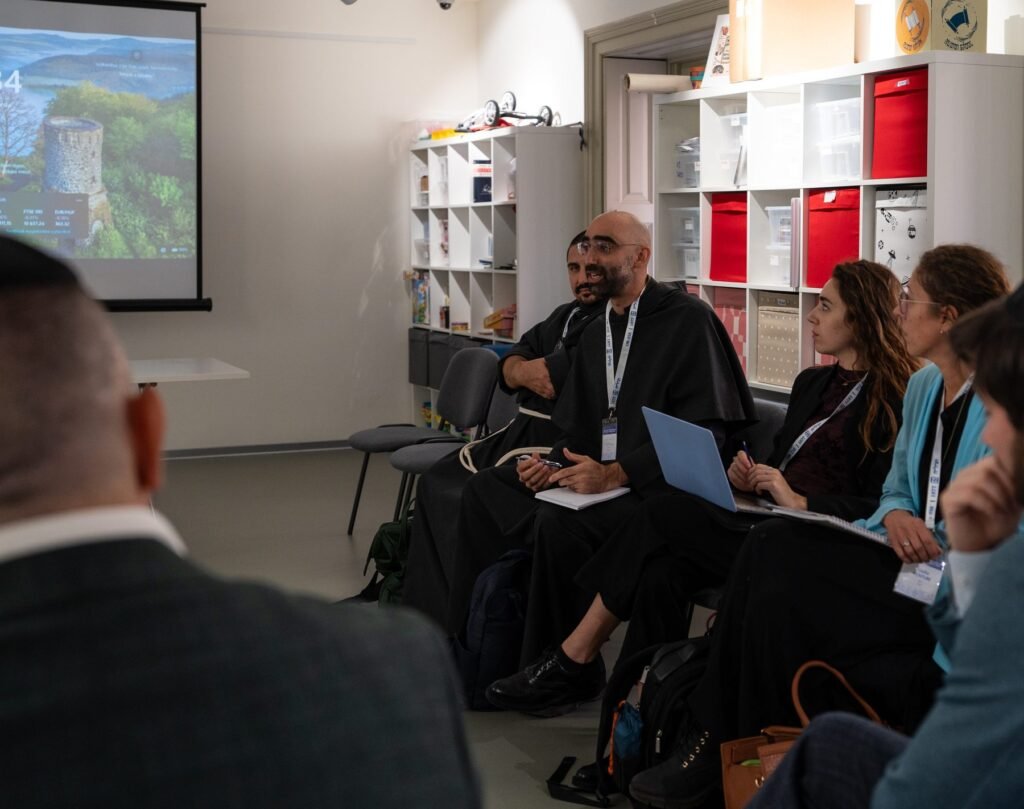
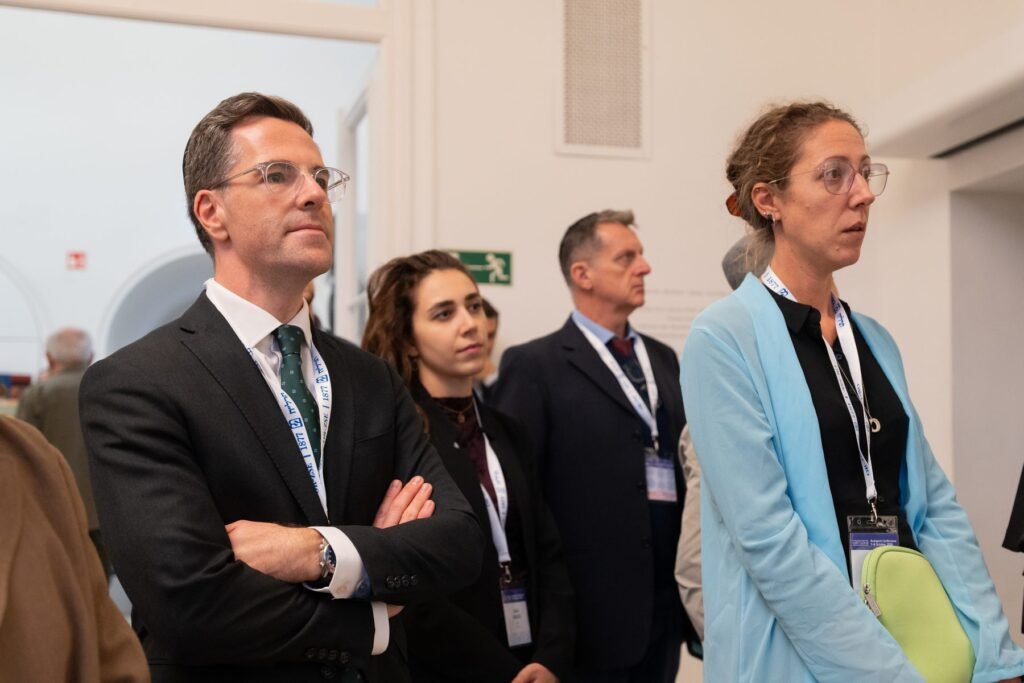
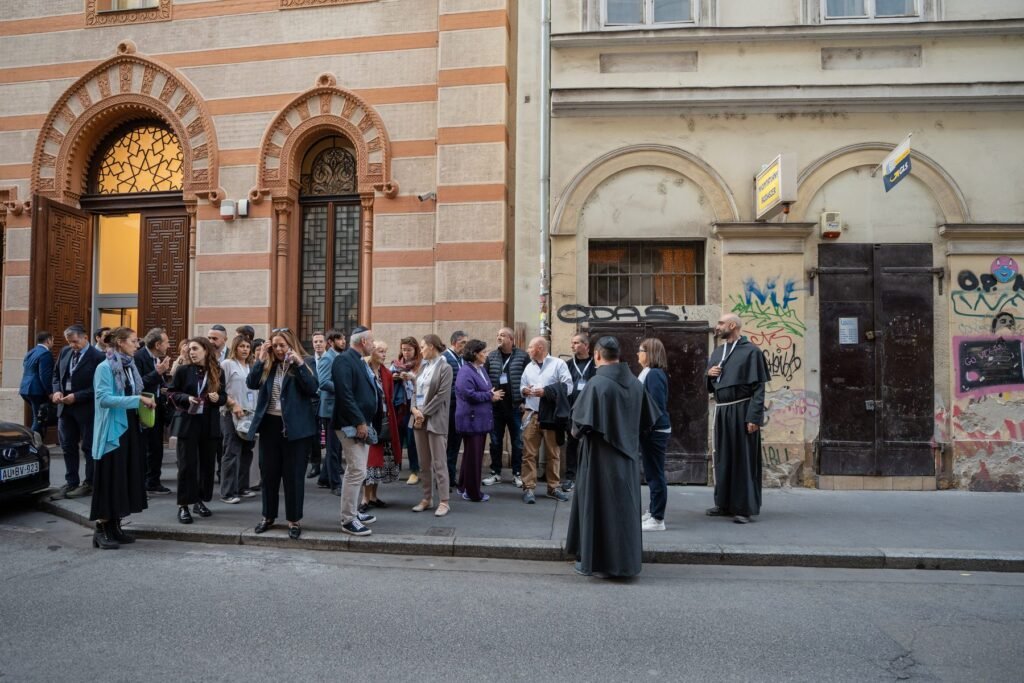
Budapest, 7–8 October 2026. More than 50 participants from 10 countries met in Budapest, bringing together religious communities, governmental bodies and international researchers and experts to agree practical ways of keeping places of worship safe and open.
Participants strengthened cooperation between religious communities, law enforcement, public authorities and security experts from across Europe. Interactive workshops and Policy Lab discussions focused on security threats, vulnerabilities, community needs and practical solutions, while international experts presented on emerging threats, security technologies, Secure-by-Design approaches and sustainable European security partnerships. Among them was Ignacio Ibáñez, the Head of the United Nations Office of Counterterrorism (UNOCT) Programme Office in Madrid and Coordinator of the Global Programme on Countering Terrorist Attacks against Vulnerable Targets.
The Policy Labs found that Christian, Muslim and Jewish communities face different threats. Christian communities reported mainly everyday disorder and opportunistic crime around open churches, Muslim communities described targeted hate crimes and hostile narratives, and Jewish communities pointed to risks from radicalised lone actors. Yet four challenges were common to all: balancing open, welcoming doors with access control, the limits heritage buildings place on physical adaptation, constrained budgets and training, and police contact that too often comes after an incident rather than before.
Participants agreed on four joint actions:
- local interfaith security networks linking neighbouring churches, mosques and synagogues;
- proactive engagement with law enforcement through regular briefings and named points of contact;
- a shared “safety culture” training programme for staff and volunteers; and
- joint advocacy for state risk assessments, funding and recognition of places of worship within national critical infrastructure frameworks.